Help End Jumps Racing in Victoria
Ten horses have died so far in this year's Victorian jumps racing season. Help us call for an end to this unnecessary suffering. Find out more...
Scientists, government officers and stock-people all agree live animal transport is a very stressful experience for animals. On extended journeys, rough roads, and when things go wrong such as bad weather or equipment breakdown, then suffering and deaths do occur.
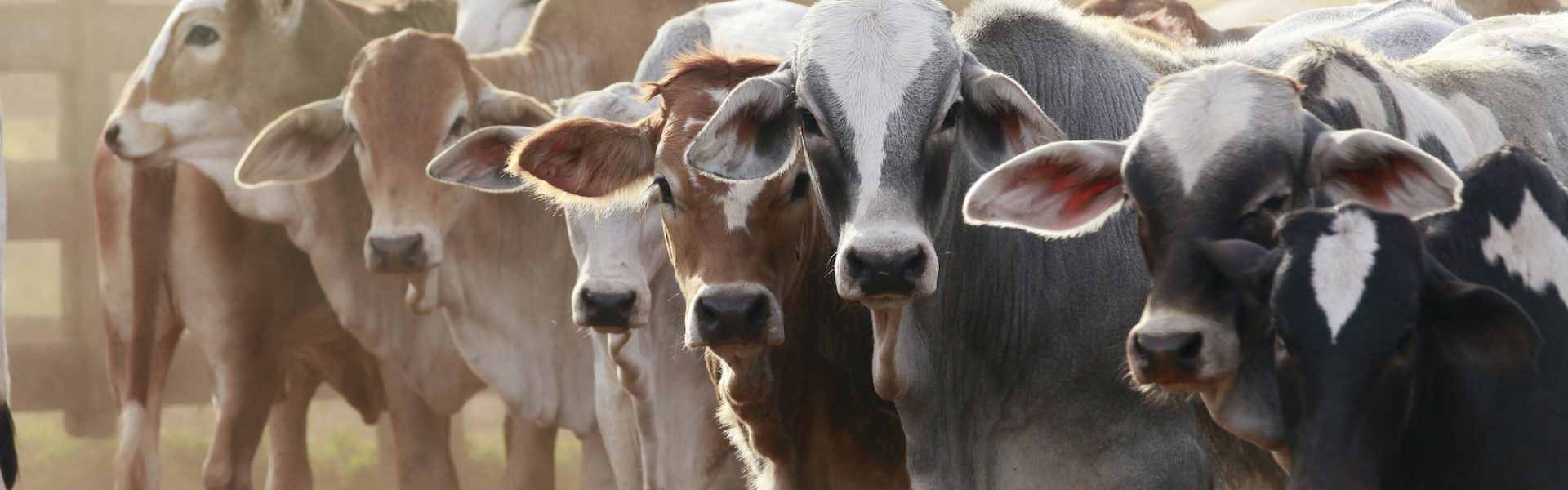
Among the most vulnerable to transport are ‘bobby calves’.
Bobby calves are the unwanted offspring of the dairy industry. In order for mother cows in the dairy industry to continue to produce milk they must be reimpregnated at the end of their lactation cycle. Male calves and those females deemed ‘surplus’ to herd replacement are taken from their mothers within the first day of life and at around their fifth day of life are sold to be killed for ‘veal’.
Up to one million bobby calves are sold in Australia each year – mostly in NSW and Victoria. They will leave their birthplace and be sold at saleyards or at ‘calf scales’ based on their weight, and finally will be trucked to a slaughterhouse.
These young animals are at high risk during transport – the Regulatory Impact Statement (the supplementary document to the Standards, which describes the need for and financial cost for the new Standards) states: Bobby calves are physiologically immature with no fat reserves, poorly developed thermoregulatory mechanisms and a lack of responsiveness to external stimuli. These factors predispose them to difficulties in coping with transport and handling. (RIS page 11)
The new Standards still permit bobby calves to be subjected to an arduous day of travel and deprivation of liquid food prior to slaughter.
You can have your say by completing the online survey.
The “Standards and Guidelines”, as well as the accompanying “Regulartory Impact Statement” (RIS) are both very large documents. Copies of these documents are available here.
Some of the main issues in contention are covered in an appendix to the RIS, which is available here.
It is not essential to complete every section of the survey if you don’t have time. The areas of most importance to focus on are the “Standards” and to point out any inadequacies, as these are the proposed requirements which would be enforceable by law and are likely to have the greatest positive impact on animals’ welfare.
As an alternative to completing the survey, you may simply wish to email Animal Health Australia (the body conducting the review) and express your concern for the welfare of animals during live transport. The email address for feedback is
Background to this review:
Thank you for your assistance!