1 December 2010 Have your say
Summer is finally here! Along with the sun, beaches, cricket, social get togethers comes the heat! And it's not just the human members of the family that need to know how to cool down...
Pets and wildlife can have a scorching time around the holidays so we've put together a 10 point survival guide for summer that will keep you and your furry friends safe and happy.
1. Be water wise
Always ensure your four-legged (or feathered, or scaly!) friends have fresh clean water every day and lots of it! More than one dog has been known to simply upend the water dish in an attempt to cool down too, so you may also need to top it up regularly (or make it easy on yourself and buy a shell pool!).
Leave water out for thirsty wildlife. While some pets have the luxury of air conditioning, our wild natives often just swelter. You'll probably make a whole heap of new animal friends with a makeshift billabong too!
Remember to put the cover on the pool when you're not using it. Hot animals trying to beat the heat can drown in pools so taking away that access can save lives (of course you'll have the water dish out anyway, right?)
2. Never lock an animal in the car
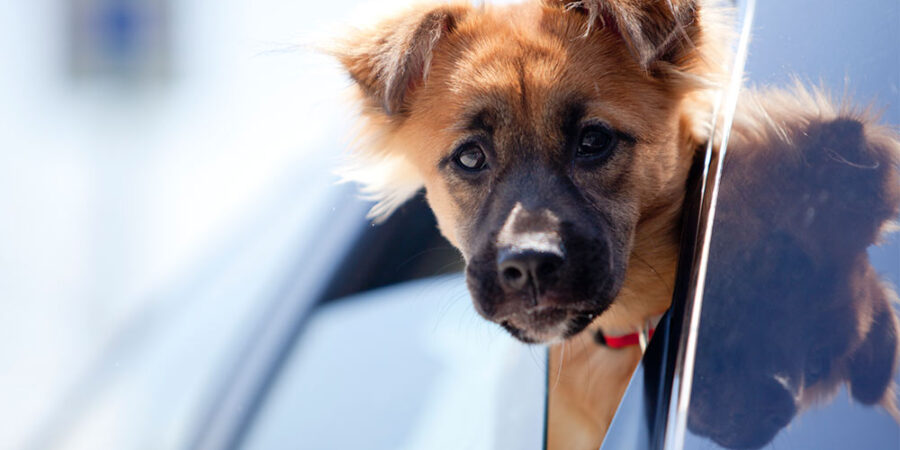
Not even for 30 seconds. Even on cloudy days, the temperature inside the car will increase very quickly — even with the window down or the air conditioning on. Pets are at severe risk of heat exhaustion and death in this situation, so it's never worth the risk.
3. Watch out for snakes
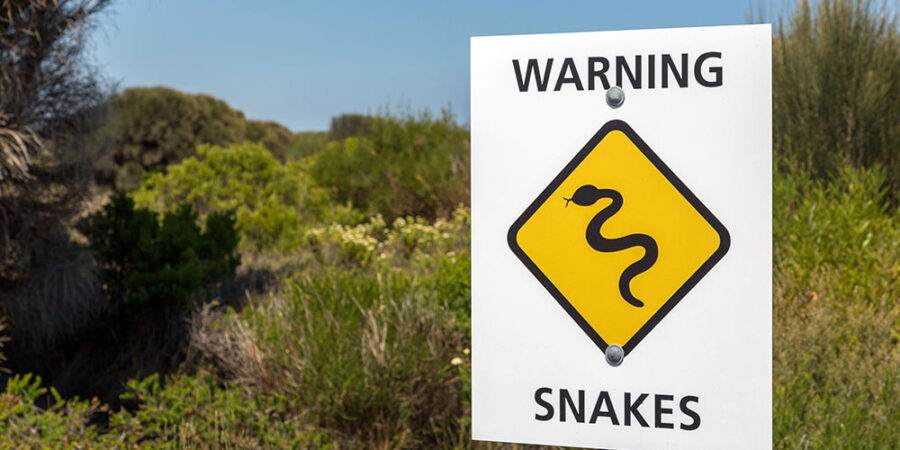
Unlike a lot of animals, snakes can really thrive when the weather warms up, so if you're walking your furry friends through bushlands or national parks, be extra careful to avoid snakes and make sure you know what to do if one of them manages to nip your pet. Snakes are attracted to the cover of scrub and long grass. If this sounds like your backyard, mow the lawn and pay attention for symptoms of snakebite — some of which are less obvious than others.
4. Pets are not presents
Never ever buy an animal as a gift for someone, no matter how big the puppy dog eyes are. People should only get animals for themselves when they are sure they are ready for the commitment of having a pet, and then it should always be from an animal shelter, never a pet shop.
5. Secure the perimeter
Before the festivities start, ensure that your yard/house is safe and secure. Many pets can be spooked by loud noises including storms and especially fireworks. An escape proof property means there's no chance of Fido bolting over a fence or through a window and becoming lost or running into traffic.
6. Keep decorations out of harm's way
When hanging ornaments, lights and tinsel on the tree, ensure they are high enough off the ground so as not to become a choking hazard to pets. We all know how much curious cats love shiny things!
7. Provide a safe haven
When the house becomes crowded with friends and relatives, shy animals can become nervous and seek solitude. Make sure there is always somewhere quiet, away from people, where your animals can retreat to if they need to. You may also need to join them there by the end of the day!
8. Ration the leftovers wisely
We've all seen the longing eyes of our beloved dogs and cats trying to levitate the food off the table, especially at holiday time. But certain tasty foods are potentially dangerous to dogs or cats and can cause significant damage or even death.
While this list is certainly not definitive, some common foods on the Christmas table to avoid feeding your pets include: chocolate, grapes (raisins and sultanas) and nuts (both of which will probably be in your Chrissy pudding), garlic or onion (do you put these in your gravy or stuffing?), sugary candy, yeast (in bread), mushrooms, tomatoes leaves or stems (often in the salad!), anything with caffeine and cooked chicken or turkey bones. Click here for a more extensive list of toxic foods.
You should also never give your pets paracetamol, as this can kill the animal not the pain [1], (besides you may need it yourself for the Boxing Day recovery)! If you suspect your animal may have eaten something that could be harmful, take them to the vet immediately.
9. Take them with you!
Try to find pet friendly accommodation if you are planning a trip away. Dr Katrina Warren has a few tried and true pet-friendly holiday spots listed on her website, as well as some very important tips for travelling with pets. If you really can't take your best friend with you, make sure you check out and inspect the best kennels available in your area and book well in advance (they fill up very fast for Christmas time!)
10. Be prepared for wild activity on the road
Keep an emergency kit in the car for any unforseen mishaps on the road. As well as food and water for your own animals, make sure you bring extra, along with a blanket and a box in case you come across injured or exhausted wildlife on the road. Save the phone number for the local wildlife rescue service in your phone before you set out.
If you have any more tips on how to ensure the festive season is enjoyed by all members of the family, please leave us a comment!
And for great ideas on having the ultimate cruelty-free Christmas, check out this brand new tradition and Pardon A Pig! Happy Holidays!
Post a commentYour Say: 25 comments