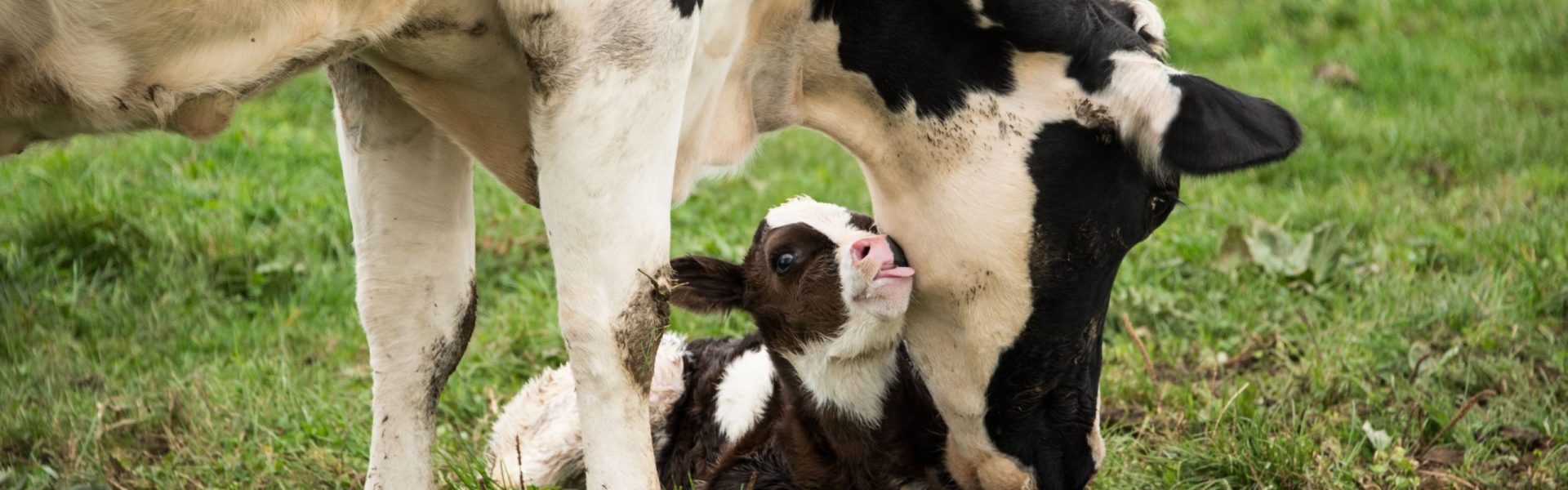
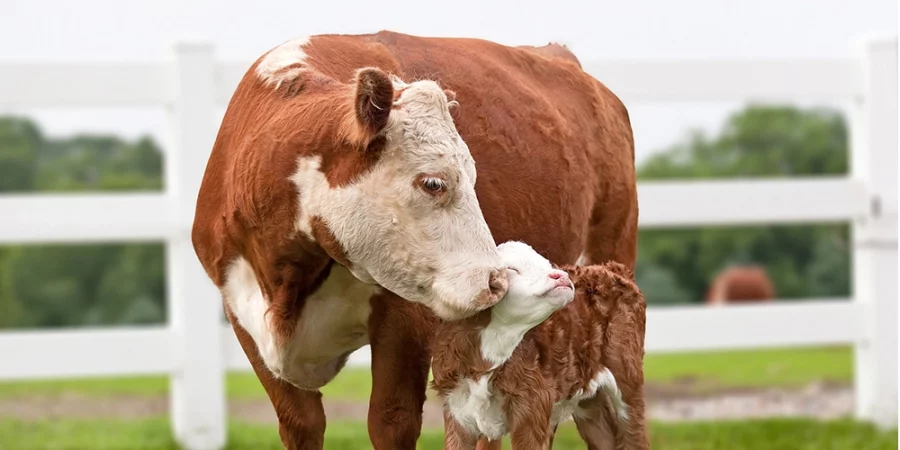
Like humans, mother cows carry their unborn young for nine months. Once their calves are born, they develop a deep bond, nurturing and protecting them. So that their milk can be used for commercial dairy products, calves are usually taken away from their mothers within 24 hours of birth, causing severe distress to both mother and calf. Grieving mother cows have been known to bellow out for their young – sometimes for days.
Their male calves (known as ‘bobby calves’) are generally considered ‘worthless’ to the profit-driven dairy industry. They’ll never grow up to produce milk, so they can be legally killed by blunt force trauma, shot with a gun or captive bolt, or sent to slaughter and used for low-value ‘by-products’ of the dairy industry, such as pet food or leather products.
Female calves can share the same sad fate as male calves, or be raised to follow in their mothers’ footsteps; forced to live an unnatural life of almost constant pregnancy, until considered ‘spent’ and sent to slaughter.