
Spare horses: never bet on horse racing cruelty.

0  signatures and counting.

Help shape a kinder future for horses

To the profit-driven horse racing sector, horses are expendable. Most people wouldn't agree with the cruelty horses are forced to endure, from being subject to painful tongue ties and whips, to being deemed 'wastage' and ending up at a knackery. Take the pledge today, and help spare horses from suffering for the sake of gambling profits.

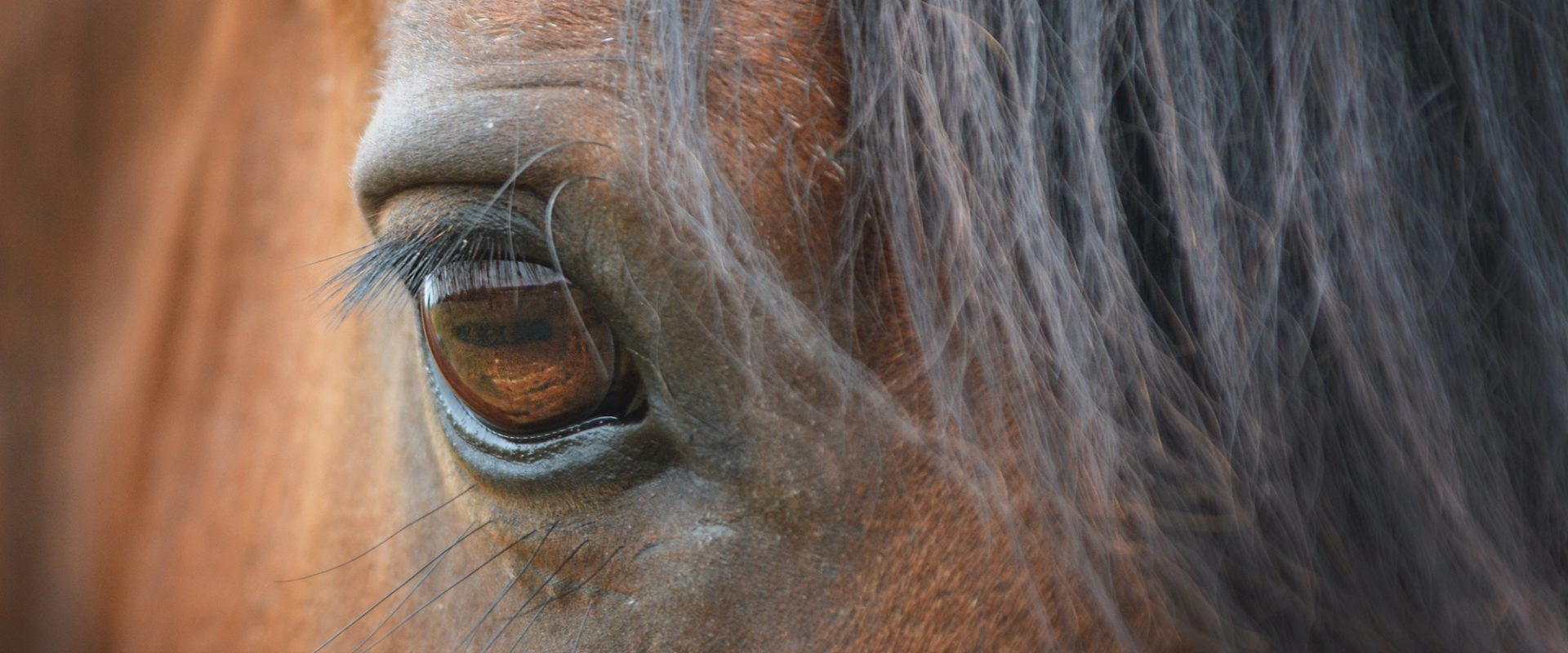
Close up of a horse's dark brown eye, their black mane sweeping down in front of their face.

Help shape a kinder future for horses

To the profit-driven horse racing sector, horses are expendable. Most people wouldn't agree with the cruelty horses are forced to endure, from being subject to painful tongue ties and whips, to being deemed 'wastage' and ending up at a knackery. Take the pledge today, and help spare horses from suffering for the sake of gambling profits.

“I pledge to help end the exploitation and suffering of horses bred into the racing industry. I will never attend or place a bet on a horse race, and will encourage my friends and family to do the same.”
* Indicates required field.

By completing this action, you give permission for Animals Australia to contact you. You can unsubscribe from updates at any time.

Processing...


Your details are safe, refer to our privacy policy

Thank you !

Your name has been added to the other currently on the pledge.
Help us spread the word and encourage others to sign the pledge to end animal cruelty by sharing it on social media.
Animals Australia

Animals Australia team

Last updated October 6, 2026

The horse racing sector wants people to believe it’s a glamorous sport — but for the animals involved, nothing could be further from the truth.

Horse racing is a profit-driven industry in which horses are typically seen as expendable, being discarded and replaced when they are no longer profitable. These sensitive, social animals lead an unnatural and restricted life while racing, and can end up as ‘wastage’ when the industry has no further use for them.

The horses who are deemed good enough to race are commonly subjected to gruelling training, which can result in severe injuries, both physical and mental. Not to mention the inhumane use of painful whips and tongue ties during races and the risk of fatal injuries on track.

At least one horse dies every 2 days on Australian racetracks and many have died while racing in the Melbourne Cup, such as Anthony Van Dyck, who sadly broke down mid-race in 2020.

Horses are being overbred and many are deemed ‘wastage’

The horse racing breeding process is ruthless. In hopes of finding a rare ‘champion’, the industry breeds thousands of horses, only to ‘disappear’ if they don’t win enough races to turn a profit. This overbreeding problem is not one the industry wants to talk about, because addressing overbreeding will mean cutting into its hefty gambling profits.

While the industry touts its establishment of a fund that it purports will help ‘support the wellbeing of racehorses across all stages of their lives’, it must know that while breeding numbers remain high, caring for all bred horses through all stages of their lives is in fact impossible. There are simply not enough homes for the thousands of unwanted horses each year.

Mass horse slaughter has long been accepted by the horse racing sector as the ‘cost of doing business’.

This image contains content which some may find confronting

Discarded race horses in a pen at a Queensland abattoir.
Following a gruelling two-year-long investigation by the Coalition for the Protection of Racehorses, evidence of the mass slaughter of discarded racehorses was revealed in a damning exposé on ABC 7.30.
Image credit: ABC News

Evidence of horses being sent to slaughter

Each year, thousands of racehorses who are not fast enough to compete are sent to slaughterhouses; their meat used in ‘pet food’ or for human consumption. Using marketing tactics, the industry hopes the public will forget the explosive evidence that’s been revealed of mass horse slaughter and cruelty.

Following the 2019 exposé, the industry responded with feigned shock that horses were ending up at slaughterhouses — but it was revealed that the industry knew about the killings and that horses were being sold directly to kill buyers by horse racing trainers.

And for the few who ‘make it’…

This industry, while claiming to ‘love horses’, continues to defend the practices of whipping exhausted animals and using barbaric ‘tongue ties’. These practices highlight how unnatural racing is for horses — if horses love to run at such speeds, why use whips at all, and why require tongue ties to prevent them from choking?

For a large proportion of those who make it to the racetrack, the exertion of racing leads them to bleed into their lungs and windpipe (called Exercise-Induced Pulmonary Haemorrhage). A University of Melbourne study found that 50% of racehorses had blood in the windpipe, and 90% had blood deeper in the lungs.

And for some of the ‘retired winners’, their reward is being treated like a breeding machine, as the industry tries to breed more ‘winning horses’. One of Australia’s most famous horses, Black Caviar, was forcibly impregnated an exhausting nine times — a process involving applying a restraint device to her face that was tightened if she protested. It is reported that she developed mastitis (an infection unique to breastfeeding mothers) followed by an extremely painful condition known as laminitis. She was killed soon after giving birth to her ninth foal, who has tragically also passed away.

This image contains content which some may find confronting

A row of horses with harnesses on, in individual stables.

You can help change their world

While remembering horses like Black Caviar, we must also remember that every year, thousands of horses ‘disappear’ without fanfare or recognition — those who are too slow, old, sick, injured or otherwise ‘unviable’ for racing.

Just like the companion animals we share our homes and our hearts with, every horse deserves to be valued for who they are as individuals, not for how much gambling money their bodies can generate.


More ways you can help horses today

This pledge plays a vital role — but you can have an even greater impact for horses during ‘racing season’. Here’s how:

  • Write a letter to the editor of your local paper and voice your opposition to horse racing. This is especially important in the lead-up to events such as the Melbourne Cup, which many people support simply because they don’t yet know about the cruelty.
  • Celebrate kindness on ‘Cup Day’ — get dressed up with friends, pop the bubbly or any beverage of your choosing, and participate in fun, animal-friendly activities!