
LAST UPDATED: 26 October 2020
Let's be clear: calcium deficiency is dangerous. Consuming adequate amounts of calcium is essential to maintaining strong and healthy bones. But before you go reaching for a tub of dairy yogurt, or a bottle of calcium supplements, you might be surprised to learn just how many foods are high in calcium!
Through clever marketing, the dairy industry has convinced many of us that we need to eat lots of dairy products to maintain healthy bones. Nutritionally speaking, this is not correct.
The purpose of cow's milk is to turn a 65 pound calf into a 400 pound cow as rapidly as possible. Cow's milk is baby calf growth fluid. It's for baby calves. Are you a baby calf? If not, then don't drink baby calf growth fluid. There's nothing in it people need.Dr Michael Klaper
With CSIRO studies revealing that 1 in 6 Aussies are choosing to go dairy free — many simply because they feel better without it — much attention has been focussed on non dairy sources of calcium.
This movement away from dairy products isn't surprisingly when you consider how many people suffer bloating, gas or congestion after consuming dairy. But these unfortunate side effects shouldn't come as a surprise when you consider that cow's milk was never designed for humans:
You may be one of the millions of Australians opting for dairy free food and drinks — so to help you along the dairy free journey, here's a brief introduction to the wide world of non dairy calcium and dairy free treats!
Non dairy calcium rich foods
Dairy is not the only source of calcium. Many plant based foods and calcium-fortified vegetarian products are rich sources of calcium.
Whether you prefer to shop at Coles, Woolies, independent supermarkets, health food shops or farmers markets — non dairy sources of calcium are cheap, delicious and easy to find!
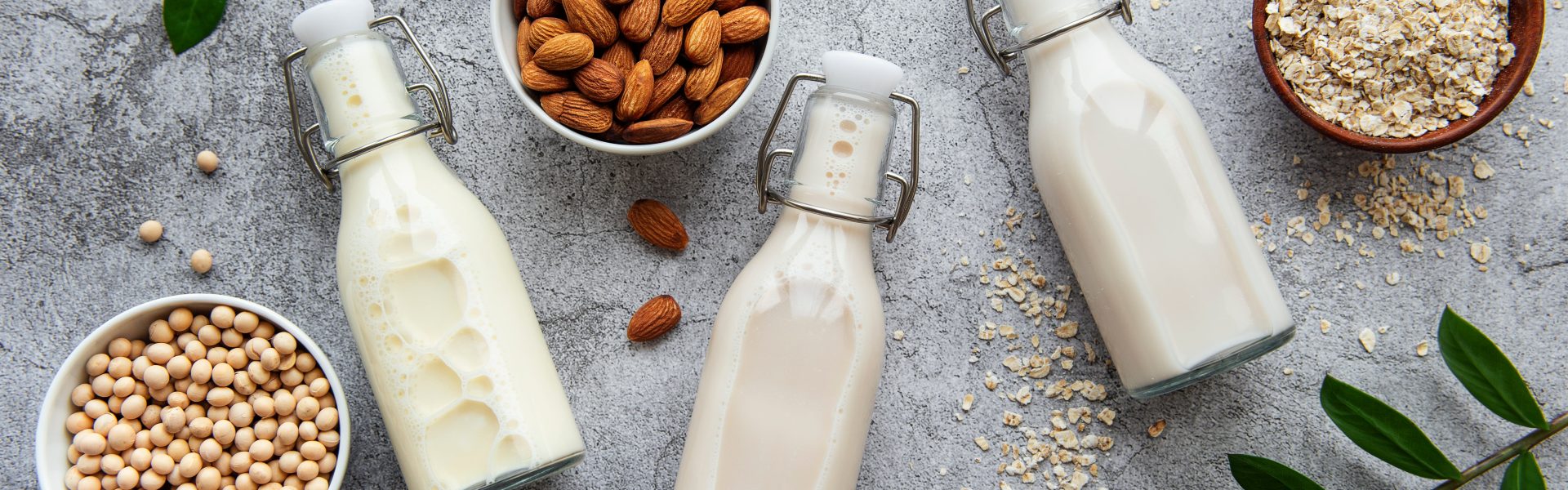
Some of the best sources include sesame seeds (including tahini), dark leafy greens (like kale), bok choy, white beans, black-eyed peas and other pulses, seaweed (think sushi), fortified non dairy milks, enriched fruit juices, broccoli, soya mince and molasses.
Osteoporosis Australia recommends, amongst others, almonds, cucumber, silverbeet, mustard cabbage, celery, chick peas, dried figs and dried apricots, calcium set tofu, calcium fortified soy milk and breakfast cereals.[1] In fact, Osteoporosis Australia lists firm tofu as the food with the highest calcium content per serve, at 832 milligrams per cup (250 ml or 260g).[1]
So when you next hear a dairy advertisement tell you that you need calcium for healthy bones, and that dairy contains calcium — pause a moment to have a think about what they aren't telling you.
Food for thought.
Dairy free for life
Appropriately planned vegetarian diets, including total vegetarian or vegan diets, are healthy and nutritionally adequate. Well-planned vegetarian diets are appropriate for individuals during all stages of the lifecycle.Australian Dietary Guidelines 2013
People of all ages can healthily embrace a dairy free life while enjoying meals full of delicious, calcium rich foods. In addition to healthy plant-based meals, a weight-bearing exercise routine is essential to strengthening our bones — and that applies whether you've ditched the dairy or not.
Exercises that increase bone density, combined with nutrient and vitamin dense whole-plant foods, is an excellent way to give your body the best chance it has to be in peak shape from childhood — well into your later years.

There are many reasons why dairy may not be the healthiest source of calcium. These include the high saturated fat content of many dairy products — which is a risk factor for heart disease. Another issue for a lot of people, particularly those of non-Northern European descent, is lactose intolerance. For them, eating or drinking dairy products causes problems like cramping, bloating, gas, and diarrhoea. These symptoms can range from mild to severe. [2]
Whilst the science is still out on how much calcium we exactly need for healthy bones and to avoid osteoporosis and what the optimal sources of calcium are [2], it is clear that calcium intake is only a part of the picture.
For example, there are long-term studies which suggest that high calcium intake doesn't lower a person's risk for osteoporosis. [2] In large studies by Harvard University of male health professionals and female nurses, individuals who drank one glass of milk (or less) per week were at no greater risk of breaking a hip or forearm than were those who drank two or more glasses per week. [3, 4]
There are other important lifestyle factors that can limit the amount of bone loss in adulthood and therefore help preventing osteoporosis, these include: getting adequate vitamin D, consuming enough vitamin K (found in green, leafy vegetables), not getting too much preformed vitamin A and limiting the intake of caffeine and cola. [2]
But what about cheese? Ice cream? Chocolate?
Reducing dairy in your diet (or cutting it out completely) doesn't mean missing out on all your favourite treats — there's a non dairy alternative for everything from creamy calcium rich milks, to ice creams, melty cheese, sharp and crumbly cheese for crackers, ice cream, not to forget the all important chocolate fix.
Check out our dairy free shopping guide for our guide to a whole world of creamy treats that are as kind to calves as they are to your cholesterol. We've got you covered!
The dark side of dairy
Most people aren't aware that in order to produce milk, dairy cows are kept almost continually pregnant. The flip side to the dairy industry advertising image of cows contentedly grazing on green, grassy pastures, is the harsh reality of what happens to their male calves (known as 'bobby calves') who are sent to slaughter in their first week of life — all so that their mothers' milk can be harvested for human consumption.

Cows — whether raised for meat or dairy — develop strong bonds with their newborn calves. Like humans, mother cows carry their unborn young for nine months. However, most dairy calves are taken away from their mothers within 24 hours of birth, causing severe distress to mother and calf. Grieving mother cows can be heard bellowing (sometimes for days) for their missing young.
So, delicious non dairy calcium rich foods may not only be healthier for you — they're also undeniably kinder to calves and their mums.
There's never been a better time to discover the delicious world of dairy free foods. And, regardless of why you make the choice, the impacts are astronomical — for yourself, for animals and for the planet. Find out more right here.
E-mail updates
SMS alerts